I went to a Monday Girl summit panel last month expecting the usual networking advice. Instead, I got something I hadn't heard before.
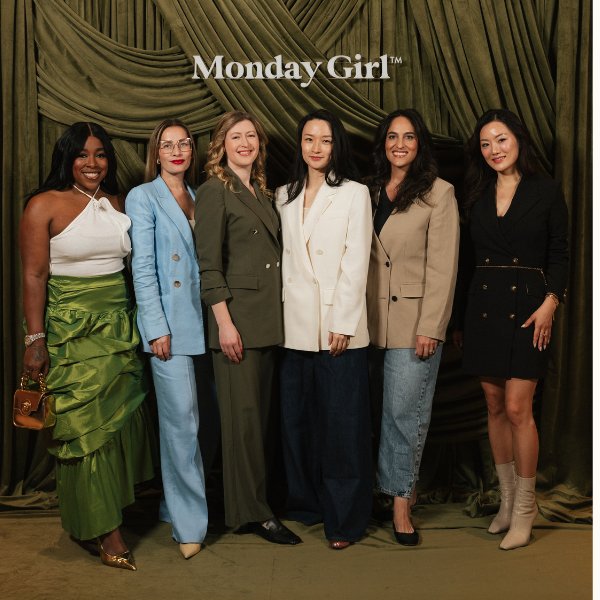
The five founders on stage spent an hour disagreeing with a lot of what gets repeated about how to build a network as a founder. The panel was moderated by Caroline Dell, who opened with the story of how a coffee with a stranger in 2018 turned into the introduction that took her to Chief as employee number five, and six years later, into the introduction that became her Goodword co-founder Chris Fischer. The panelists were the founders of Away, Glow Recipe, The Inkey List, The Bakery Cowork, and Hustle and Heart. These are the five lessons I left with.
Asked how she thinks about building relationships, Colette Laxton opened her answer with what she described as a controversial take. "I'm not a fan of networking in its normal guise... It's a two-way thing. Just because you go out and ask somebody for help, don't expect they're going to give it to you. What are you giving to the relationship?"
Her experience is that most networking advice has this backwards. She gets a hundred LinkedIn messages a day from people asking to "jump on a call" to learn how she built The Inkey List, and she ignores almost all of them. "I don't know who you are. Like, why would I give my time to a hundred people a day? I wouldn't have a company to run." The messages she does answer are the ones that arrive with something useful attached, even if it is just a piece of feedback on her own marketing. Her question for anyone reaching out is what they have to offer back. "What can you offer to them? And how does that then pay back?"
Sora Lee, founder of wellness brand Hustle and Heart and a former operator at Meta, Netflix, and TikTok, said the part most people underestimate about networking is the prep. "You need to know what you want and what you bring. So when you do meet these people, you need to be ready, because you never know when that's going to happen."
Her version of being ready is concrete. Walk in with a one-liner crisp enough that another founder in the room could pass it along on your behalf. Keep your LinkedIn updated. Treat every relationship as a long game in a small world, because the coworker you might write off today could be the one who refers you into your next role. Sora's first move to Meta came through the CTO of an earlier company who later became an engineering director there. The agency partner she might have been tempted to disregard while she was in-house ended up running the team at her next employer.
The mistake on this front, she said, is treating any room as low-stakes. The corollary is that you can prepare for every room as if it might be the one.
Christine Chang, co-founder and co-CEO of Glow Recipe, frames maintenance as the part most founders skip. Live networking drains her. What works for her instead is staying in touch with people when she does not need anything from them.
If she walks past a Sephora and notices a founder friend's merchandising needs a refresh, she sends a photo. The gesture is small, useful, and lands in a context where value has already been moving in the other direction. When the ask eventually comes, the relationship has built up the reserve to support it.
Her co-founder partnership runs on the same principle. She and Sarah Lee met as interns at L'Oréal in Korea twenty-two years ago, pooled twenty-five thousand dollars each in savings, and have stayed bootstrapped for over a decade. The reason it has held, Christine said, is that they aligned on a common goal from day one and have the hard conversations as they come up rather than letting tension accumulate.
Mary Seats, founder of The Bakery Cowork and the Icing Agency, gave the panel the cleanest version of reciprocity-in-practice anyone offered. "What I typically do is I give the recipe and invite them into the kitchen to cook with me." When she messages a potential client, she leads with what she has already diagnosed about their business: the engagement numbers on their socials, the broken links on their website, the page that has been stuck behind a stale headshot for two years. Diagnosis arrives before the pitch.
The same logic runs through the way she gets into the rooms where those clients are. Mary paid ten thousand dollars to attend a single event by herself, sat in the parked car beforehand to steady her nerves, and walked in with a fractional CMO's eye on the host's marketing setup. The note she sent on her way to the airport, citing a broken QR code and outdated banner photos, turned into the biggest deal her agency had ever closed. "Sometimes you have to pay to get into the room and get the access you are looking for. The access is not going to come to you."
The Mary who walks into those rooms is, by her own description, an introvert who can talk her way to the back of them. So she built a second self with a job to do. "There's this altered ego side of me that says, no, you are getting the deal. You're meeting the right people." The alter ego has a name, Mz Skittlez, and a separate Instagram. It is a more honest response to introversion than the standard advice to fake it.
Jess Schinazi, CEO of Away and former president of Dyson Americas, named one of the truisms about mentorship that most disagree with: the search for the one perfect mentor is usually a category error.
What she has built instead is what she calls a personal board of directors: "great people in my life from different avenues of how I met them," who serve as her cheerleader, her shrink, and the person who can tell her she's wrong on a given decision. No single person, in her experience across L'Oréal, Amazon, Dyson, and Away, can answer every question that arises in a career. Looking for one delays building the network that can.
The discipline that makes the personal board work, in her telling, is asking narrowly. The cold notes she sent earlier in her career that got answered were the ones with a focused, specific question. "People love to help. People want to help you. People actually feel better about themselves when they're helping someone else." The mistake most founders make is making the help impossible to give.
What stuck with me a week later is that none of the five founders described networking as something that happens to you. Each of them described it as something they had built deliberately: what they give, what they prepare for, who they stay in touch with, how they structure mentorship. The version of networking that circulates online tends to treat it as an event. What I heard on that panel was five versions of the answer that it's a practice.
Goodword surfaces the right people at the right time, with the context to show up for them before the ask arrives. Start your free trial.

.svg)