Most early-stage founders know networking matters. Very few do it well.
That gap is telling. According to Goodword's State of Human Connection report, 83% of professionals believe social capital will be the most valuable asset in an AI-dominated future. The default approach — collect contacts, forget to follow up, reach out only when you need something — doesn't work. And people can feel it.
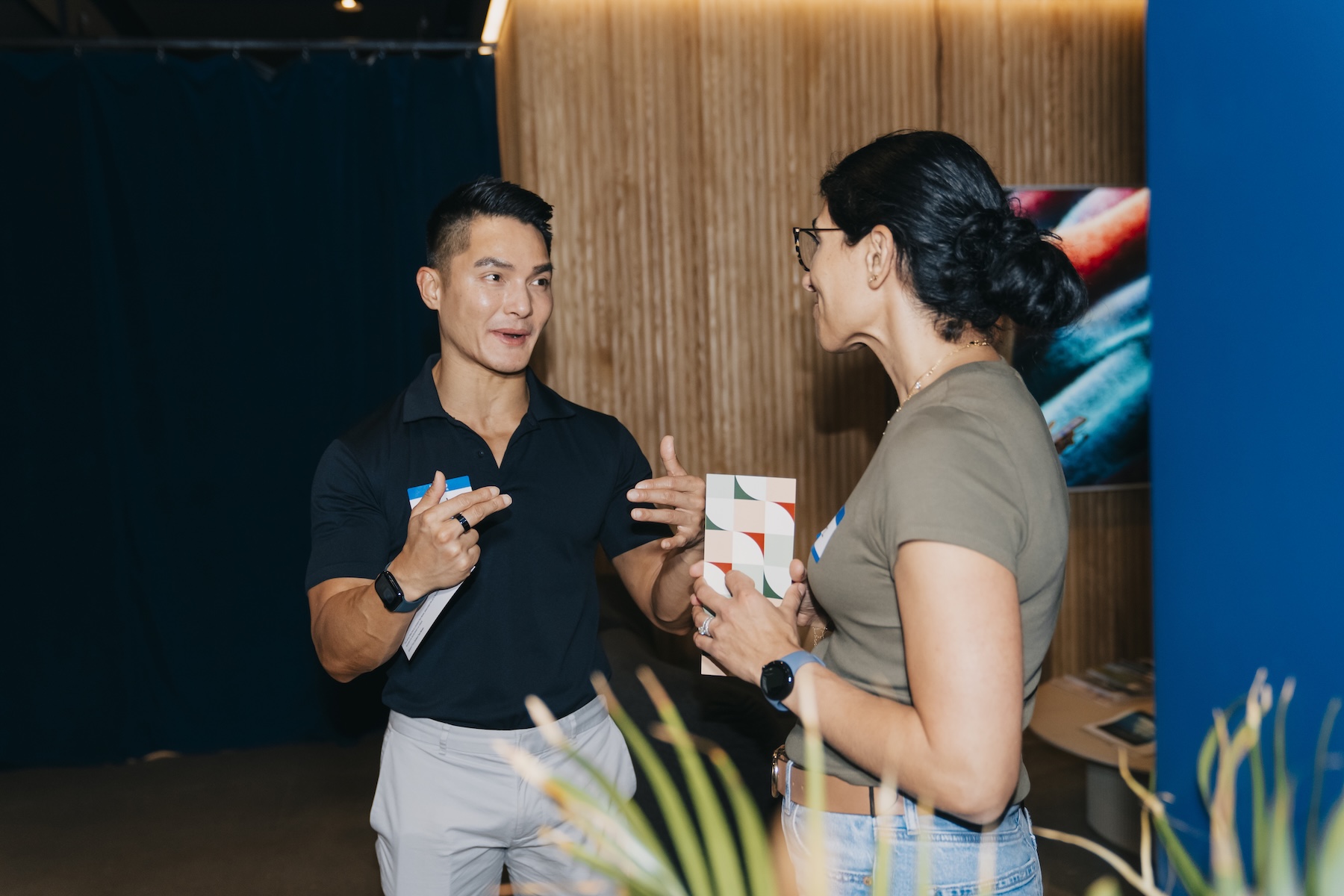
Goodword recently hosted a workshop with Graham & Walker, an early-stage VC fund backing women-founded tech companies, and the conversation kept coming back to the same thing: founders don't need more contacts, they need better habits. These are the frameworks that actually move the needle.
Here are four areas where relationship-building does its most important work.
The formula is straightforward: get opt-in from both sides before making the intro, provide context on why they should meet, and make it as easy as possible for the person connecting you.
As one attendee put it: "everyone agrees that 'pick your brain' is gross — just tell me what you want."
Here's a draft format you can use to request an introduction:
Hey [Name] - I'm working on [specific project] and looking to connect with [specific person/role]. Do you think you could make an intro? Happy to provide a forwardable blurb.
💡 Tactical tip: Always close the loop after an intro lands. Connectors want to know what happened and will appreciate the thanks.
Most people don't have a networking follow-up system. They have good intentions and a cluttered inbox.
The fix isn't more discipline. It's having a short list of natural triggers to reconnect without it feeling forced. Someone gets promoted. Changes roles. Posts something worth reacting to. Any of these is an opening. Even a simple "I was thinking of you" works too.
The goal isn't to follow up more. It's to follow up at the right moment. That's relationship intelligence in practice: not more contacts, but better timing.
💡 One underrated move: If you're traveling to someone's city and you're not usually there, reach out. It signals you were thinking of them specifically, not just mass-blasting your network. It almost always lands.
Graham & Walker founder and Fast Company contributor Leslie Feinzaig closed the session with the kind of perspective that comes from being on the receiving end of a lot of asks.
On cold outreach: a message that goes unanswered now isn't wasted. "It doesn't go unnoticed," she said.
On the long game: the people who build the most valuable networks aren't the ones who work hardest during fundraising season. They're the ones who've been showing up consistently for years before they need anything.
And on AI tools: "Use AI to manage your process. Don't use it to replace your brain...because you're supposed to be the thing that's special about you."
The tools can help you remember. Showing up is still on you.
Want to put these frameworks into practice? Goodword is the networking copilot that helps you remember context, surface the right connections, and unlock opportunities. Sign up to start your free trial.

.svg)